How long does it take to generate leads?

Lead Generation and ROI has been 2 of the most important facets for any boardroom discussion. Though companies understand that ‘lead generation’ is paramount to an organization , the time taken to achieve the results are what matters for most of the companies. Though ‘Inbound marketing’ is a key strategy that organizations adopt, often the time taken to implement and garnering the results for the same has been a key reason why many companies do not go for the same. How Long does Inbound Marketing take to deliver a consistent stream of leads: Some of the important things that matter for inbound marketing to deliver a consistent a steady stream of leads is : a) Strong Marketing Foundation Assets : Is your website a strong lead generation engine Is your social media channels strong enough Some of things that needs to be validated while checking if your website is a strong lead engine is to check whether your website is generating strong direct and relevant website traffic. Though a lot of companies focus on generating traffic to their website using a combination of in-house and out bound strategies, checking if the people who visit your website are of your target persona can be an important validation of the same. These are people who can turn into leads and ultimately paying customers. Some of the strategies for the same are : a) SEO efforts focused on the right content and keyword strategy b) Strong social media marketing through the right channels c) Email and SMS Out bound strategy targeting the right people. It will take 3 – 6 months to build the right content and also to ensure that the website attracts the right leads and the right audiences engage with our content. Proper Optimization of the content by checking the right keywords that people search for and getting he website ready for the same can also be helpful. b) How to convert Website Visitors to Paying customers : Conversion of Website Visitors to paying customers involves 2 main steps 1) Ensuring which stage of the funnel the customer is in 2) Is the Visitor a lead a Marketing Qualified Lead or a Sales Qualified Lead If the website visitor is in the ‘Discovery’ stage, the lead needs to be nurtured by providing more information related to the subsequent product or service that they are looking for , ensuring that they are provided with lead magnets at each stage (such as free e book) or signing them up for email communications. A sales qualified lead would have passed the Discovery stage and are now in the market to buy.At this stage one of the most important aspects can be to make a call to the lead if we have managed to get their contact information or coming up with discount offers to speed up their buying process. Once we understand the type of lead , the stage they are in and the offering we can propose them and implement a strong follow up strategy then we can ensure that the leads convert faster. Overall we feel that implementing a strong foundational strategy can go a long way in aiding the lead generation process. If enough time is spend on getting the foundational strategy right , Inbound lead generation can be a sustainable long term investment for the organization.
5 E-commerce advantages to consider in 2021

Many online entrepreneurs have been inspired by Amazon’s and other e-commerce businesses’ meteoric rises, which have coincided with increased global internet access. The growing popularity of online shopping has sparked a lot of discussions and altered the business landscape as we know it. Every day, new online retailers appear, and almost every offline firm now has an e-commerce website. The inexpensive cost of putting up an e-commerce site compared to a brick-and-mortar store and a large number of prospective clients appear to be a good fit for the typical small business owner’s goals. Many online retail stores can attract customers from places other than their hometowns and countries of residence. Customers are not limited to waiting for things to become available in their immediate area. Customers simply need to go to an online store and have their things delivered to their home When compared to a physical store, there are no overhead costs such as construction, rental, or maintenance when running an e-commerce business. You can also outsource the majority of your labor and inventory activities, lowering your overall operating costs. As a result of this situation, internet firms have a better chance of becoming profitable and can give their clients retail pricing that are competitive. E-commerce businesses are nimble enough to respond to shifting consumer preferences. An internet firm can make the necessary changes to adapt to new market conditions because the majority of their business operations are outsourced. They can also scale their operations swiftly because of their agility. Unlike traditional stores, an e-commerce store may more readily adjust its operations to meet changing customer demand. With an online business, obtaining information about a specific customer’s behavior is much easier. For this purpose, there are numerous digital analytical tools available. These technologies can track and analyze online shoppers’ browsing and purchase habits on your site. This data can help your e-commerce site better serve your consumers by improving their customer experience, which is a key aspect in any business’s success. It also allows you to personalize your online purchasing experience. You don’t have to spend a fortune to promote your online retail store. You have a variety of options for attracting potential customers to your online store thanks to the numerous digital marketing solutions available. Many of these marketing strategies are inexpensive and accessible, such as social media marketing, email marketing, and content marketing, so you can discover a digital marketing strategy that fits your budget.
Your First LinkedIn Ad Is On Its Way
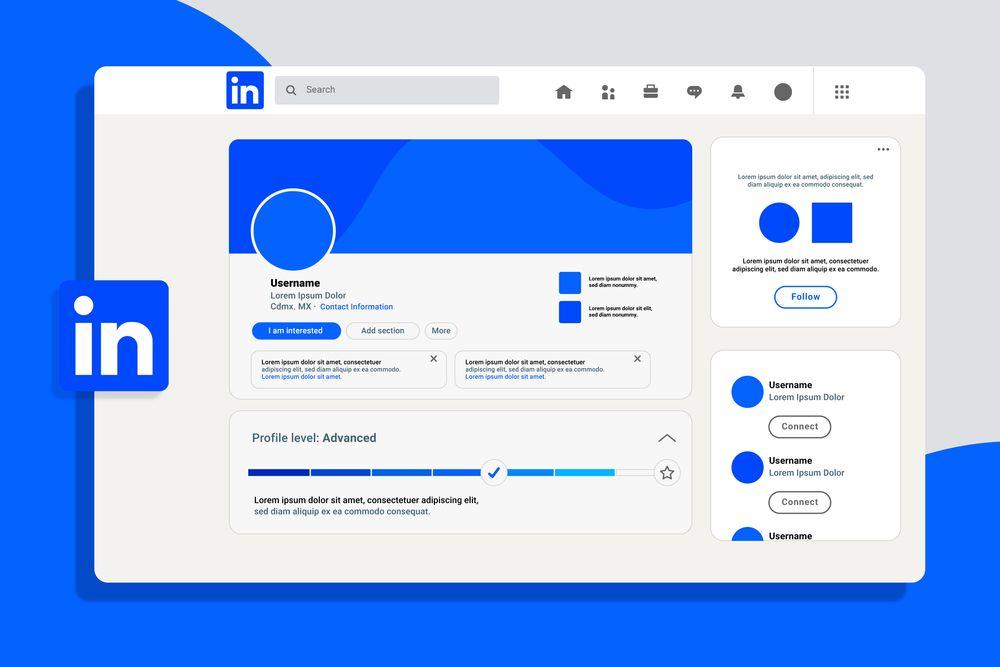
Your step by step guide to successfully set up your first LinkedIn ad You’ll be asked to name the ad campaign when you go to LinkedIn Ads. Only you and not LinkedIn participants can see the name of your ad campaign. Make sure the name of your ad campaign is distinctive and important to the marketing plan or goal you’re attempting to accomplish If you are planning to target e-commerce companies in India, create the campaign name as “e-commerce ad India”. LinkedIn provides you the facility to choose from over a dozen of languages in which you can display your ads. You have the option of using the Basic or Video ad formats. Choose Video if you want to promote a video in your ad, or Basic if you want a text and picture layout for your ad. You must first determine where you want viewers to go when they click on your ad – to a particular landing page on your website, your company page, or a LinkedIn discussion group. LinkedIn has the world’s largest participating professional audience, and its advertising will help you interact with them. So, think about how you can craft the ad copy so that it arouses your target audience’s curiosity.Within a single campaign, you can test up to 15 different versions of your ad copy to see the one gets the most responses. After you’ve entered all of the information, you can choose between a square, tall, or long format for the ad. Headline: Create a headline for your ad that is no more than 25 characters long. For example, “Build your e-commerce store now”. Description: You have 75 characters and a few seconds to persuade the audience to click on your ad. Discuss the advantages of your offerings before making a call to action. Set your target audience Your ad will only be shown to those who meet the requirements and qualify as your target audience. You may opt to target particular interest groups or narrow down the profiles of your potential customers to the company level. Alternatively, you can keep it broad and have your ad shown to people with a variety of job titles and across multiple industries. Location: LinkedIn ads allow you to keep your target audience’s geographical location as vast as multiple continents to as specific as states and even specific state areas. Make the best of the situation. Companies: You may opt to have your ad shown to a small group of companies and employees. Let’s say you’ve narrowed down a few companies with whom you’d like to collaborate on your next project and you can directly target people working in those companies. Job title: Your ad will be seen by people who are looking for services or goods like yours and have the authority to buy them. For example, Director of the company. Skills: Those who have stated that they are qualified in some of the skills you have mentioned here will see your ad. Group: This is where you can decide which groups you want to target. LinkedIn allows you to include niche or large communities. Sex and Age: You can aim your ad to a particular gender and indicate the age level of your customer. Set your daily ad budget or monthly budget and how long you want to run the campaign depends upon your marketing strategy. When you allow Lead Collection, people who click on your ad will be asked if they’d like to be contacted by you. You’ll receive an email notification, to which you can respond with a personalised message. This raises the likelihood of possible leads being real sales. After you’ve completed the payment, you’ll be given access to a feature on your LinkedIn ad page that allows you to monitor the success of your ad. For each ad variation, you’ll find important statistics about the success of your ad, such as clicks and click through rate (if you have chosen to run your ad with multiple variations). A CTR of 0.3 or more which imply that your ad is performing well. Experiment with LinkedIn Ad Have you recently launched a LinkedIn ad or are you planning to do so in the near future? Please contact us if you need assistance.
Why you should advertise on LinkedIn
Paid advertisements have been used in the online search industry for a long time. Business companies will use Google, Yahoo, and other search engines to launch ad campaigns. The primary goal of such advertising campaigns is to raise brand awareness and draw interested consumers to a company’s website, which benefits the bottom line. Facebook and Twitter have nailed it when it comes to connecting small businesses and large corporations with their target customers and driving in revenue. LinkedIn, the professional networking site, is catching up in this race. 1. Target a Professional Audience First and foremost, perhaps the most well-known distinction between LinkedIn and other social media platforms is its audience. The network’s users are older, more skilled, and have a higher income than users on almost any other site. If you want to meet teens or low-income people, the group is irrelevant. However, if your primary target group is trained professionals with at least some work experience, LinkedIn is usually the best option. 2. Use Industry-Specific Variables to Narrow Your Targeting Targeting opportunities on the channel you choose are absolutely vital. LinkedIn allows you to target your ads based on variables other than normal demographic data, such as: company name, size, industry, skills, and job function. LinkedIn is a particularly good match for businesses looking to reach out to business customers. Consumer-based goods and services that target particular markets, degrees, and work titles, on the other hand, will benefit from LinkedIn’s limited targeting. 3. Take advantage of different types of advertising. LinkedIn, like its rivals, allows advertisers to take advantage of supported posts and sidebar advertising to increase visibility, views, and conversions. The possibilities, however, do not stop there. Sponsored InMail, for example, is a feature of the network that interacts with its internal messaging platform. These email-like messages have had a lot of success, with open and click-through rates that are significantly higher than normal emails. Lead ads are a newer option that allows you to generate conversions without having to direct your audience to your website first. 4. Make use of Lead accelerator feature It enables you to keep track of your most valuable customers and serve them more tailored advertisements. It helps you better cultivate your leads on their way to being customers by using remarketing to recent web visitors and list-based advertisements. Let us guide you You might need assistance if you’re new to LinkedIn or social media marketing in general. Contact us for a free consultation and we will guide you.
Your Business & Sales Funnel!

What could be more complex than captivating a customer’s mind when they have a plethora of options? To break down the complex formula of a customer’s mindset, you should have a simple signature marketing mantra. This needn’t be strictly unique, but the way of its implementation should be distinctive and appealing. Once before weaving a marketing strategy, everybody has to perceive that most of the purchases are not made on the spur of the moment. Before setting the priority, customers go through a number of conceptual phases to make a purchase. Whether it’s a sanitary napkin, curry powder, luxury cars, or anything, customers always think thrice or more. The phases once before the purchase of a particular product of a brand include a better understanding of the industry, brand, quality, reviews, testimonials which can impact a brand’s success or failure. If you aim for nothing other than success, all you need is a solid marketing strategy. Let us follow up with a question: are you familiar with Digital Marketing Funnel? The Digital Marketing Funnel is a strategy model that depicts the customers’ complete buying path, from the moment they know about your product/brand/company to the moment they become consumers. This is a critical resource for marketing success. You should have a profound perception of each level of the sales funnel which has a significant impact on customer behavior. This will undoubtedly assist you in implementing new ideas in order to increase the number of people who progress from one phase to the next. One of the most effective principles in marketing is optimizing your sales funnel. What is a Sales Funnel? The process potential customers take on their approach to make a purchase is described by the sales funnel, which is a marketing term. A sales funnel has multiple steps, which are commonly referred to as the top, middle, and bottom of the funnel, however, these steps can change depending on a company’s sales model. For instance, if you are running an online clothing business and if the customer came to know about your business and visits your website, this is the top of the sales funnel. If the customer selects some clothes and added in the cart to check out, this is the middle of your funnel. Once they finish the purchase, then they are at the bottom of the funnel. These steps of your sales funnel are the same no matter what kind of business you’re in. Why is a Sales Funnel significant? A sales funnel can assist you to figure out what potential consumers are thinking and doing at different stages of the buying process. These insights enable you to allocate resources to the most effective marketing activities and channels, craft the most appropriate messaging at each stage and convert more leads into paying customers. What are the stages of the Sales Funnel? Despite the fact that the sales funnel is well-described with numerous terminologies, it primarily consists of four steps, which are vital in marketing. 1. Awareness When your prospect becomes aware of your business and what you offer, it completes the prior stage of a sales funnel. This is the phase where your customer becomes aware of your brand/product/company. They may have heard about you through advertising, social media, or word of mouth. Awareness matters here! 2. Interest Once the awareness changes to interest, your first stage of the sales funnel is indeed successful and there is the entry to the second stage. Customers are more likely to be interested in your product/brand/company if they are aware of it and believe it to be the best solution. During this stage, you should provide appealing content that informs and educates the prospect. If you become too forceful or aggressive with your sales approach in this phase, you risk alienating the prospect and forcing them to quit. Your content should show off your knowledge and assist the prospect in making an informed decision. 3. Decision When a customer is ready to buy, they are in the decision stage of the sales funnel. Prospects will research your pricing and packaging choices in greater detail. They should be able to discover a satisfactory solution to their inquiry, “Why should I buy this when I have other options?” Make the answer as enticing as possible, whatever the case may be. 4. Action This is the stage where the customer acts. The customer may or may not buy the product. But your job isn’t done anyway. You can research and improvise ways to succeed if the customer did not. If they did, thank your consumer for their purchase, urge them to contact you with any feedback, and, if necessary, offer tech help. And it’s all about Sales Funnel! Creating and optimizing a sales funnel takes time. But it is very crucial in marketing. You should know your target audience, their behavior, preferences, where and when do they click, how much time do they spend on a particular web page. You can’t do anything less than captivate their mind and lead them to your landing page. Market to your leads through email by providing amazing content. Be in touch with your customers by expressing gratitude, offering discounts and coupons, and anything else to satisfy their palate. Once you’re done with all the tactics, measure the success rate of your sales funnel. Tracking your conversion rates is a wonderful approach to gauge the success of your sales funnel. If the conversion rates are less than you expect, revise the methodologies that you have implemented. Take your time to create a sales funnel that reflects both your desires and those of your target audience. Develop it over time, make adjustments to your approach at different phases of the sales funnel, and figure out why your efforts aren’t succeeding. Market efficiently, and try hard to make your product/brand/company your customers’ priority. Everything matters to make your funnel very effective. Just shoot & Succeed!
Why your digital marketing never went the way you wanted

Although digital marketing has proven to be an important strategy for business expansion, it is relatively new. 40% of companies expressed dissatisfaction with their collective efforts. So there must be a problem. To help you identify factors that are bad for your business, here are the six main reasons why your digital marketing fails. You may not be targeting the right audience. Knowing the target audience is essential for digital marketing activities. Digital marketing activities include your content, the type of media used or the message conveyed. It is most likely a combination of your customers or customers who have not yet visited your website. Therefore, it is important to develop a plan to attract audiences in a practical and effective way. To resolve this issue, use analytics to find the demographics of your ideal target, or directly contact the customer survey source for better results. Social media has always been an effective platform for increasing the number of viewers. Help you get a broader view for free. Promoting a brand without paid advertising on social media is not easy. This takes time and cannot be guaranteed. To increase your audience. However, to expand your social media brand to larger brands, you need to invest money from your digital marketing budget into social media marketing. Consistency is a prerequisite for the implementation of digital marketing strategies. Here are some specific ways that inconsistencies can cause digital marketing campaigns to fail: Inconsistent message delivery times. It’s great to start a blog. If you don’t add blog posts from time to time, customers may lose interest, and worse, customers may doubt on whether you have the resources or focus on maintaining your own website, and their trust in your business will be compromised. Inconsistent buyer persona: If your company is the voice of a well-known expert, you need to make sure that your content is not random or interesting in some forums, while it is educational in others. Inconsistent customer support: -Some companies are good at making first impressions on customer. However, their work will slow down during the entire sales cycle and the entire after-sales process. Make sure to deal with customers consistently throughout the purchase process. SEO means Search Engine Optimization. Marketers today have a basic understanding of SEO. But SEO is the bigger picture. SEO deals with keywords and backlinks that are used in your content. This optimization has a real impact on SEO. The algorithms are constantly changing and updating. So you must not ignore the importance of SEO. Testing is an integral part of any digital advertising campaign. Find out which campaign worked and how they were managed. The best practice is to use an A/B test to evaluate your performance. Test A and test B. By implementing this strategy, you can scale up your campaign so that it develops on its own. Only then you can achieve the desired campaign results. Many companies do not understand that consumers need more time to make the decision to buy a product. The higher the price of a product, the longer the customer decide before purchasing it. It is impossible to make big sales right away. You need to give your audience time with your company to establish trust. Remarketing is necessary to make your customers familiar with your brand. So reach your customers repeatedly to increase customer engagement and to drive action.
Why you must go digital during the Covid-19 pandemic

People all over the world are having to cope with a new way of life as COVID-19 spreads around the globe. Though traditional retailers were already losing favor with customers, stay-at-home orders have effectively crippled the industry. Companies that have already started to pivot to a digital marketplace are better placed to succeed in this environment. However, having a working website and an ecommerce store is just half the fight. The ability to bring consumers to those product pages is just as critical. 1. Define your Key performance indicators (KPIs). KPIs (Key Performance Indicators) are measures that are used to determine a campaign’s effectiveness. Pageviews, click-through rates (CTR), and new subscribers are all examples of KPIs. It’s crucial to figure out which metrics are most critical to a campaign before you start planning because they’ll aid in the development of the strategy. 2. Create brand awareness Although having a great product or service is important, you can easily lose sales to more developed rivals if you don’t have a strong brand. Consumers purchase from brands they trust, so establishing a positive reputation through awareness campaigns and testimonials will help. Instead of focusing on clicks and conversions, consider impression and views. 3. Build social media presence Digital marketing includes establishing a strong social media presence. You don’t need to be on every site, but you should know which ones are best for your company. Determine where the target audience spends the most time online. Engage with people and related accounts in addition to sharing updates on a regular basis to help build a community (rather than just trying to rack up followers). 4. Monitor your Search traffic Users are at home and online more than ever before, so now is the best time to analyze the search traffic. Since search traffic can fluctuate depending on the industry, it’s best to monitor your organic search results using Google Search Console or another SEO tool of your choice. 5. Create useful content Nobody wants to be pitched or sold to, but most people use Google to find answers to their questions. Build a knowledge base, rather than a website that reads like a catalogue, where people can find the information they need. Maintain a daily newsletter or blog to share knowledge and build your brand as a trustworthy resource for your niche. If you write content that ranks well in search engine results, you’ll attract more visitors to your site, who would likely browse before making a purchase or contacting you. The more time a visitor spends on your platform, the more likely they are to make a purchase when they are ready. LET’S TAKE YOUR DIGITAL MARKETING STRATEGY TO THE NEXT LEVEL! As the online world has increased in importance, having a digital marketing plan for your company has become increasingly important. It’s never been a better time for your business to invest in digital marketing than now. We handle all at Digital Monastery Technologies: web design, social media, SEO, online marketing, and more!
Tiktok. Why It’s The #1 Platform Where The Crowd Flocks.

Tonight, I’ma fight, ‘Til we see the sunlight Tick-tock on the clock, But the party don’t stop, no That was the first time ‘TikTok’ entered our lives over a decade ago. Fast forward 9 years, the app Tik Tok became the most downloaded app of all time and is a worldwide sensation. A quick scroll through Instagram, Whatsapp, or any platform, and we see an avalanche of Tik Tok videos. Some funny, some weird, some edgy, all but entertaining. TikTok merged with Music.ly in 2018 to grow the video content creation community exponentially. About 50% of the TikTok user base is aged under the age of 34. It’s not just millennials who are hooked to this app, boomers are in too, which brings us to the million-dollar question. Why is TikTok gaining so much of popularity? There are 800 million active TikTok users and is expected to hit the billion by the end of the decade. So, why is TikTok one of the most popular platforms out there? Growth spurt of talent The Engineer who wanted to be a guitarist, the scientist who had the hidden acting talent, the dancer who never got their big break. It was about time that things changed. If Pheobe Buffay had central perk, they had TikTok. The one platform where they could show the world their true potential. Ease of use Creating a video with soundtracks and filters was a Herculean task that was meant only for the pros. Not to mention the cumbersome sharing associated. TikTok made it easy for anyone to create a video by choosing an available template or recording one on their own, all with just a click. Umpteen articles are overflowing in the search engine results page on how to get virality out of TikTok videos. There are influencers and ‘TikTok Stars’ with millions of followers. A single video is all it takes for overnight fame. That’s in it for the gen pop and video creators. What about brands and companies? Huge, diverse audience base to target TikTok is a global app with users from all demographics. This makes it one of the best medium to reach out and engage. The 800 million users are every available in case you decide to string up a marketing strategy for your product/service. Location-specific content Even though Tik Tok is a global app, it offers immense localization abilities which makes it easy for businesses to target regional content. For local businesses, this comes as a boon for quick visibility & opportunities. And finally, TikTok Ads TikTok has now launched its own advertising wing, the TikTok Ads where businesses can run their campaigns just like they do on any other social platform. Since it’s new, not many people have ventured out making it one of the brightest opportunities for marketing mavericks. The new age Marketing: TikTok Ads TikTok ads are similar to YouTube ads and typically lasts over 15 seconds. While users scroll through the app, these ads can be viewed and then skipped. The payment is calculated based on the impressions. You can advertise on TikTok for the following. Native Ads Native ads are video advertisements shown to the user as they scroll. These are typically less than 15 seconds. They are shown for a set time and then are skippable. Brand Takeover These are fullscreen advertisements that appear right when a user opens the TikTok app. These ads have a backlink added which redirects the user back the website of the business. Thus, it is a direct opportunity to land potential leads right onto your domain. Hashtag challenges Similar to #trending on Twitter, the hashtag challenges are a great way to encourage users to generate content based on your brand challenge and spread visibility either the organic way or via sponsored ads. Keep in mind, TikTok thrives on challenges and virality. It might just be the boost your business needed. Branded Filters & lenses Filters. Snapchat, Instagram, you name it, they all have it. Create a branded funky filter and get users to use it and create content. Once the chain begins, you know what happens rest. What about the cost? TikTok advertisements can be handled with either daily or lifetime payments which can be reverted anytime you wish. The minimum budget is $500 at a campaign level while for ad groups, the amount is $50. Besides, you can also bid for ads like you do for Adwords. The clock’s ticking An average user spends around an hour n TikTok a day. This combined with the competitive leverage makes TikTok ads one of the best strategic takeouts for brand visibility & lead opportunities. Make the most out of it while the Sun shines. While TikTok ads are just gaining momentum, be the early bird who not only catches the worm but makes a clean sweep and then tasty soup.